
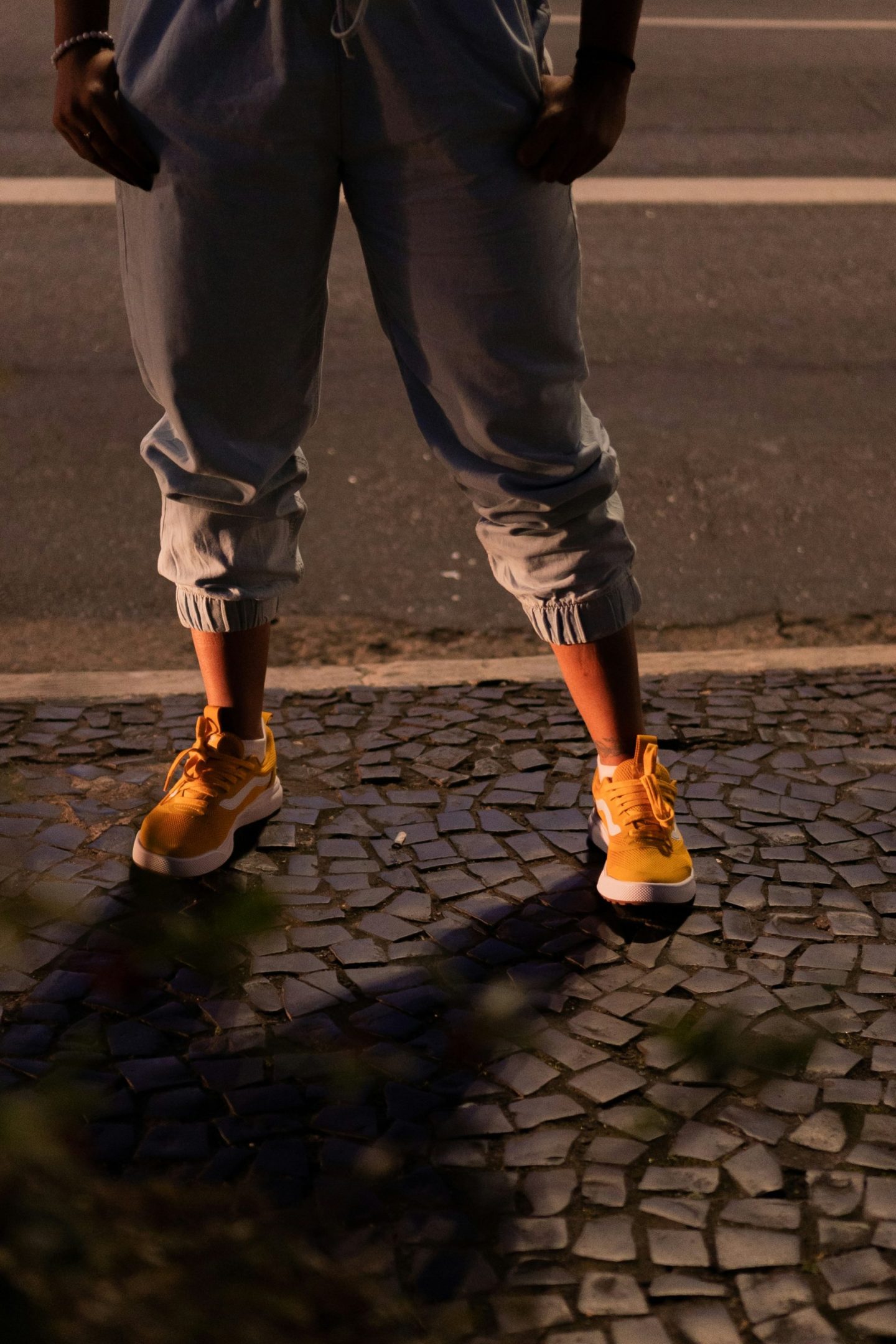
There was a time when your joggers and trainers were strictly for the gym or a kickabout in the park. Fast forward to today, and that same gear is just as likely to be seen in the pub, at a casual Friday in the office, or even on the high street. The journey of UK sportswear from purely functional activewear to a dominant force in everyday fashion is a fascinating one, reflecting broader cultural shifts and a national love for comfort and style.
From the Track to the Terraces
Initially, sportswear in the UK, as elsewhere, was all about utility. Garments were designed for specific sports, prioritising performance and practicality over aesthetics. Think heavy cottons and wools in the early days, gradually giving way to more specialised and lighter fabrics.
However, the seeds of change were sown in subcultures. The late 1970s and 1980s saw the rise of “football casuals,” a youth movement where fans began sporting designer European sportswear brands on the terraces.
This wasn’t just about looking sharp; it was a statement, a way to stand out and show affiliation, often bringing back rare trainers and apparel from trips abroad following their teams. Brands like Adidas, Fila, Sergio Tacchini, and Lacoste became status symbols.
The Britpop and Grime Effect
The 1990s further cemented sportswear’s place in mainstream fashion. The rise of Britpop saw bands and their fans embracing a more casual, everyday look where retro sportswear, including track tops and classic trainers, became a key element. This era helped to normalise sportswear as a fashion choice beyond the sports field.
Then came the influence of UK grime music in the early 2000s. Artists emerging from this scene often wore tracksuits as a core part of their identity, reflecting their urban roots and a sense of rebellion against mainstream fashion norms.
Figures like Skepta and Stormzy, often seen in head-to-toe tracksuits, propelled this look into the global spotlight, making it a symbol of UK street style. The tracksuit, once confined to P.E. lessons or athletic training, became a statement of cool.
Comfort is King
Beyond specific subcultures, a broader societal shift towards casualisation has played a huge role. As dress codes have relaxed across the board, the appeal of comfortable, versatile clothing has skyrocketed. Sportswear, with its emphasis on ease of movement and relaxed fits, naturally filled this gap. The “athleisure” trend, blurring the lines between athletic and leisure wear, has become a global phenomenon, and the UK has fully embraced it. Today, it’s not uncommon to see men’s designer polo shirts paired with smart trainers for a look that’s both relaxed and put-together.
Key factors in sportswear’s fashion takeover include:
- Brand Power: Iconic brands with rich sporting heritage have become fashion powerhouses.
- Celebrity Endorsements: Athletes and musicians have immense influence on style trends.
- Technological Advancements: Modern sportswear uses innovative fabrics that offer both performance and everyday comfort.
- Versatility: Sportswear pieces are easily mixed and matched with other wardrobe staples.
- Nostalgia: Retro sportswear continues to make a comeback, tapping into a fondness for vintage styles.
A Wardrobe Staple
From the classic tracksuit, which has seen a significant revival, to the ubiquitous trainer that’s acceptable in almost any social setting, what was once purely for sport is now a cornerstone of UK everyday fashion. It’s a testament to how cultural movements, musical influences, and a collective desire for comfort and style can redefine what we wear and why we wear it.
Until next time…

