
When designing a bathroom, the choice of floor tile is critical not only for aesthetics but also for durability. Homeowners often find themselves torn between ceramic and porcelain Bathroom Floor Tile options. Both materials offer distinct advantages and drawbacks, particularly in terms of longevity and wear resistance. This article will explore the durability aspects of ceramic and porcelain tiles, their material compositions, moisture resistance, and how to choose the right tile for your bathroom needs.
Ceramic vs Porcelain Tile: A Durability Comparison
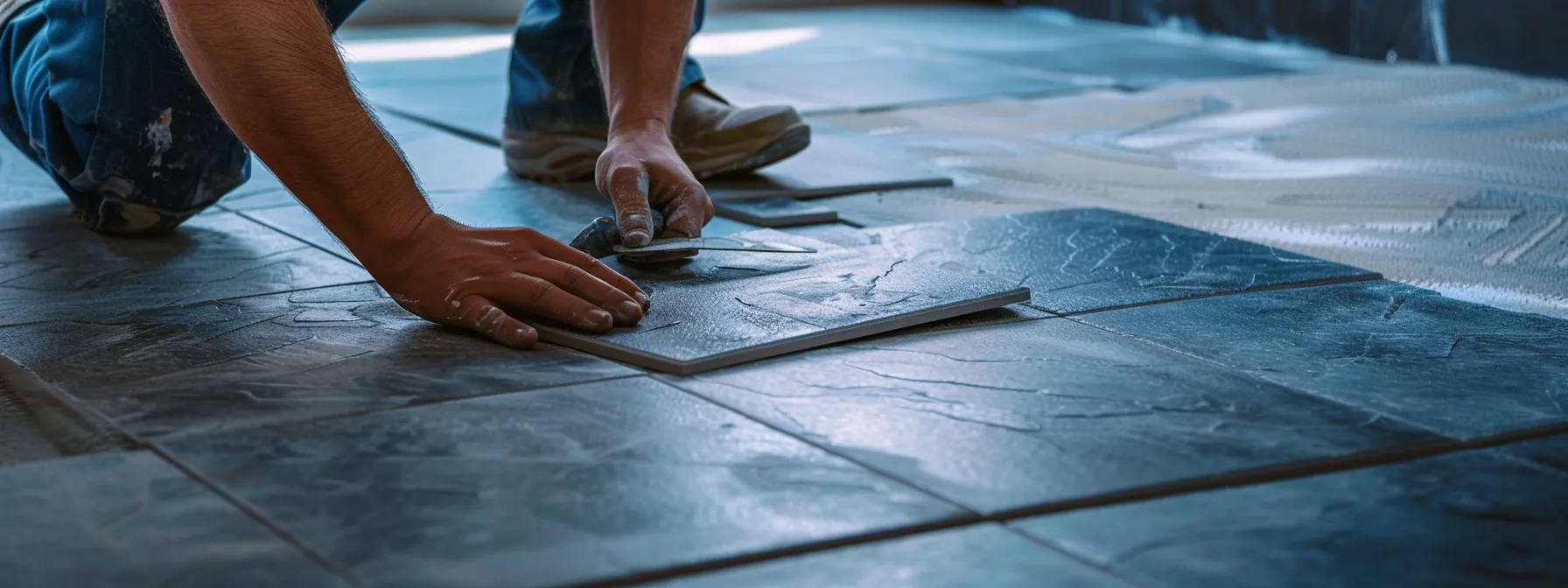
Ceramic and porcelain tiles are popular choices for bathroom floors due to their resilience and design versatility. Porcelain tiles, manufactured through a process involving higher temperatures and pressure, are denser and less porous compared to ceramic tiles. This density contributes significantly to their durability, making porcelain an ideal choice for high-traffic areas. Recent analysis from Architectural Digest suggests that porcelain tiles can withstand heavier impacts and resist scratches better than ceramic tiles. One consideration for your flooring could be opting for Bathroom Floor Tile that enhances both aesthetics and performance.
On the other hand, ceramic tiles are easier to cut and install, making them a preferred option for intricate designs and detailed patterns. While they may not be as tough as porcelain, advancements in glazing techniques have considerably improved their surface durability. It’s important to consider the finish schedule in your design development phase, as this can affect the long-term performance of ceramic tiles in your bathroom.
Material Composition and Its Impact on Durability
The composition of Bathroom Floor Tiles greatly influences their durability. Porcelain tiles are made from refined clay and fired at higher temperatures, resulting in a dense, glass-like material that is less prone to moisture absorption. This process is often detailed in AIA contract documents when specifying materials for high-performance spaces. Additionally, porcelain tiles can be designed to mimic natural stone or wood, enhancing the aesthetic appeal of your bathroom.
Ceramic tiles, composed of less refined clay and fired at lower temperatures, offer a wider variety of designs and colors. Their flexibility in color palette selection makes them a favorite among interior designers working on mood boards for residential projects. However, due to their higher porosity, ceramic tiles might require more frequent maintenance to prevent moisture-related issues.
Moisture Resistance and Longevity in Bathroom Settings
Bathrooms are inherently moist environments, and the ability of a floor tile to resist moisture is crucial for its longevity. Porcelain tiles excel in moisture resistance, making them a preferred option for areas prone to water exposure, such as showers and sink surrounds. Their low porosity helps prevent water from seeping into the tile, reducing the risk of mold growth and structural damage over time.
Ceramic tiles have improved in moisture resistance due to advanced glazing techniques. However, they might not offer the same level of protection as porcelain tiles in consistently wet areas. When conducting a site analysis, consider the zoning regulations that may dictate waterproofing requirements for bathroom installations. For homeowners seeking a versatile option, ceramic tiles can still be suitable for less wet areas of the bathroom.
One example of a durable tile option is the Pure White 2×6 Zellige Bathroom Floor Tile, which offers both aesthetic appeal and functional resilience, ensuring long-lasting performance in a variety of bathroom settings.
Choosing the Right Floor Tile for Your Bathroom Needs
Selecting the ideal floor tile for your bathroom requires careful consideration of your specific needs and preferences. Porcelain tiles, with their robust durability and moisture resistance, are well-suited for high-traffic bathrooms and areas that experience frequent water exposure. Interior designers often utilize CAD software during the design development phase to visualize how porcelain tiles will fit into the overall lighting plan and finish schedule.
Ceramic tiles, meanwhile, offer greater flexibility in design and color choices, making them a popular option for homeowners looking to incorporate unique and vibrant elements into their bathrooms. When planning, ensure that the specification book addresses the tile’s durability and maintenance requirements, as these factors will impact the longevity and appearance of the bathroom space.
Ultimately, the choice between ceramic and porcelain tiles should align with your aesthetic goals, budget, and lifestyle demands, ensuring a successful integration into the home’s interior design.
Conclusion
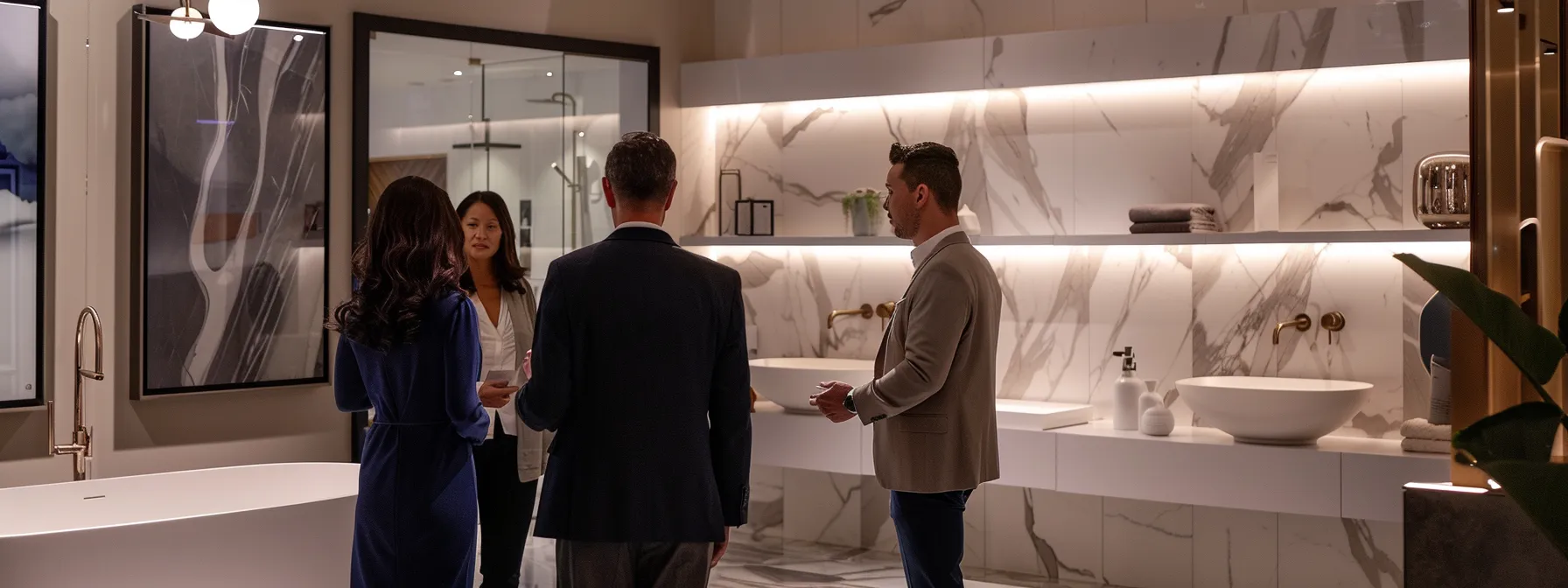
Understanding the differences in durability between ceramic and porcelain tiles is essential for making an informed decision. Porcelain tiles provide superior moisture resistance and strength, ideal for high-traffic and wet areas, while ceramic tiles offer design versatility and ease of installation. Homeowners should weigh these factors carefully to select the option that best fits their bathroom’s functional and aesthetic requirements.


