
Central Europe is a region with a long memory. Its cities rise from layers of empire and artistry, shaped by centuries of trade routes, royal ambitions, and the quiet beauty of river valleys. Travel here feels a little like leafing through an illustrated book — each chapter rich with steeples, cobblestones, and squares where life has unfolded for generations.
What makes this part of Europe so compelling isn’t just the architecture or the grandeur; it’s the sense of continuity. The old and the new sit comfortably side by side, and the stories carried by cathedrals, palaces, and bridges echo through modern cafés, street markets, and riverside paths.
Exploring this region by rail reveals these contrasts and connections with particular clarity. The landscape changes gradually: Bavarian hills lead into Austrian valleys, German forests stretch into Czech plains, and the Danube ties everything together in looping curves of blue and gold.
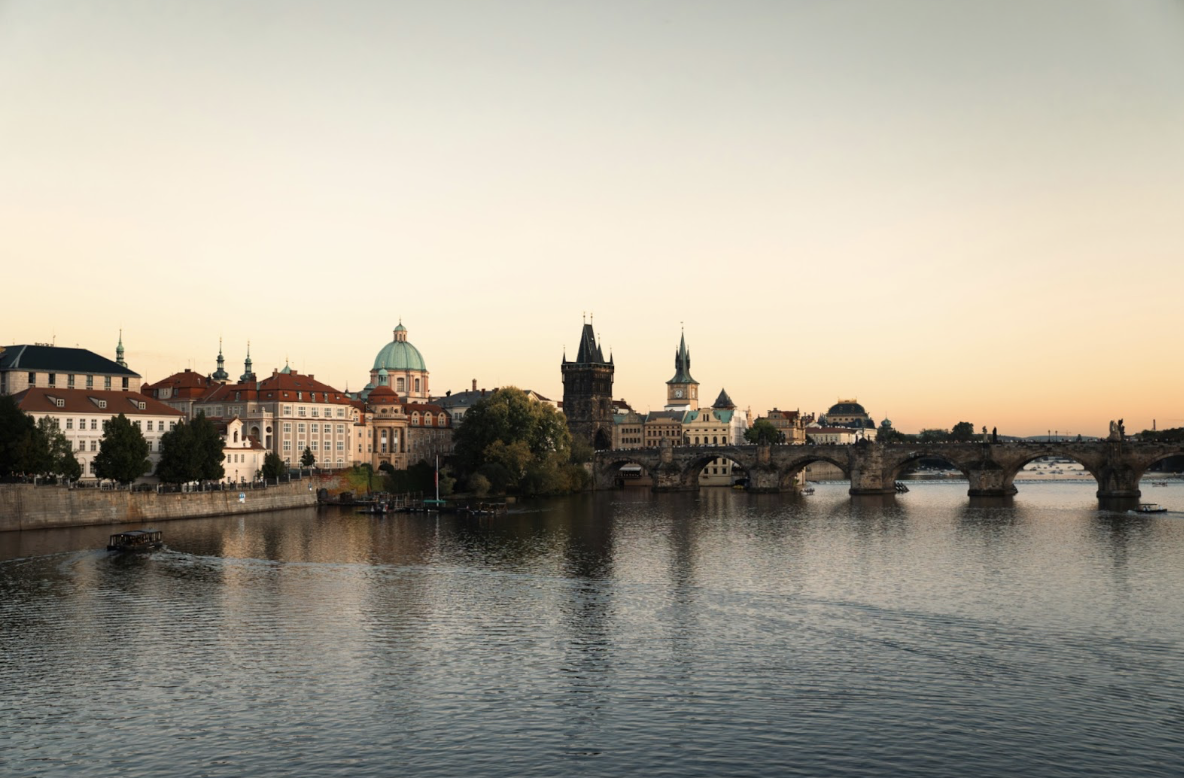
Munich: A City Built on Craft, Culture, and the Joy of Squares
Munich greets visitors with a sense of order and warmth. The city centre, anchored by the grand Marienplatz, feels like an open-air stage framed by Gothic and Baroque facades. At certain times of day, the bells of the Neues Rathaus ripple across the square, drawing the attention of locals, travellers, and the occasional street musician.
Munich’s personality is rooted in its appreciation for craftsmanship — from the precision of its museums to the bakeries whose windows glow with fresh pretzels. But wander a little further and the city softens: leafy parks stretch across neighbourhoods, the Isar River glides through town, and beer gardens invite unhurried afternoons.
Travellers who continue east often begin by taking the Munich to Salzburg train, a route that threads through gentle hills, clusters of farmhouses, and wooded stretches that look especially striking in early autumn. The journey sets the tone for what comes next — a transition from Bavarian charm to Austrian elegance.
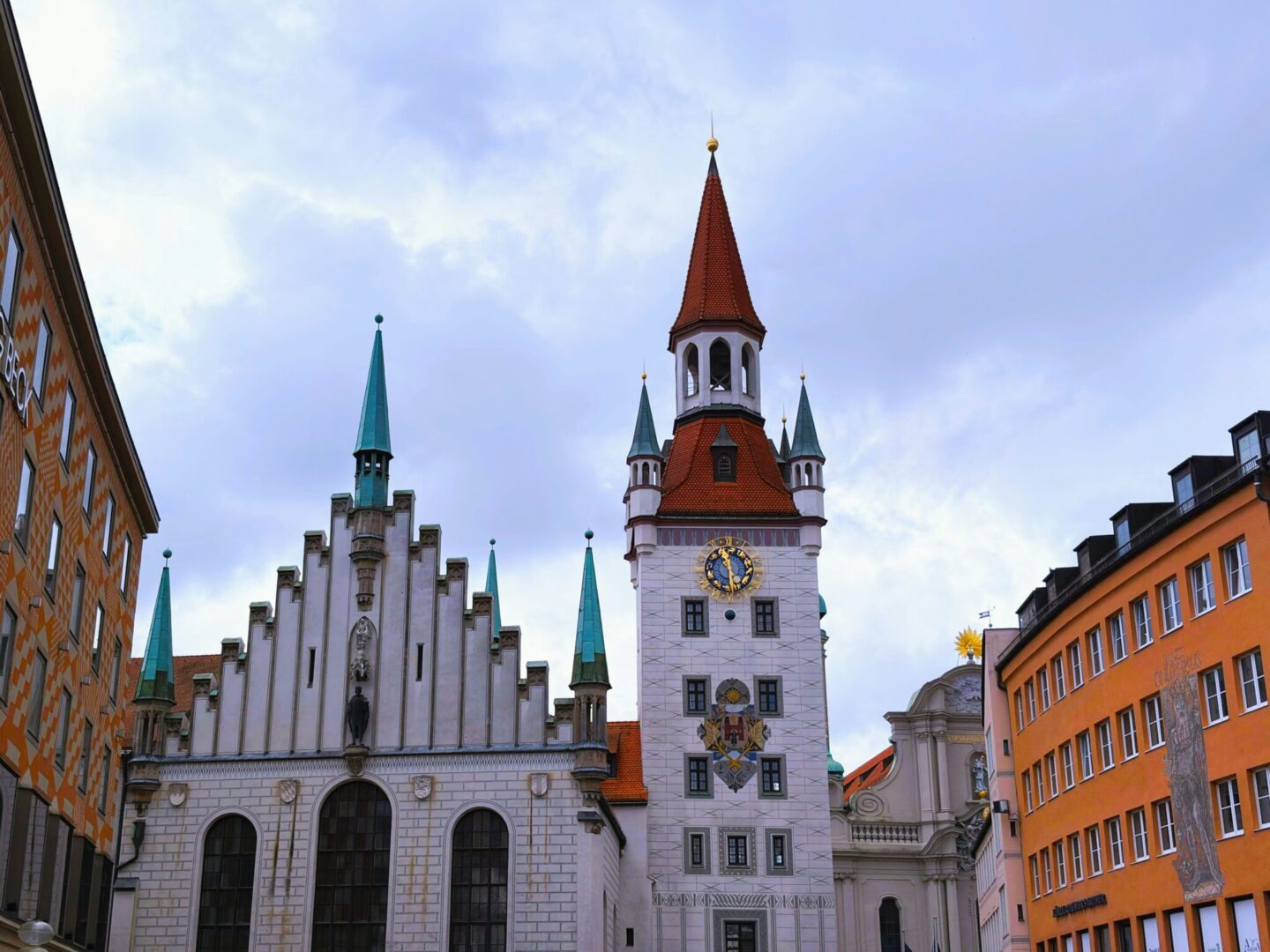
Salzburg: Mountains, Music, and an Old Town Full of Layers
Few European cities blend nature and architecture as gracefully as Salzburg. The Alps loom protectively in the distance, while the spire-lined skyline feels like something from a beautifully painted set. The city centre, a UNESCO World Heritage Site, is a maze of narrow streets, small courtyards, and pastel-coloured buildings that hold centuries of stories.
The Salzach River splits the city in two, its waters reflecting both the fortress above and the baroque facades below. Music is woven deeply into Salzburg’s identity — from Mozart’s birthplace to the seasonal festivals that animate the city’s theatres and squares.
But the quieter details stay with you: the smell of pastries drifting from cafés, the soft echo of fountains in shaded courtyards, and the feeling of stepping into a place where history is preserved not as spectacle, but as daily life.
Berlin: History Written in Stone and Steel
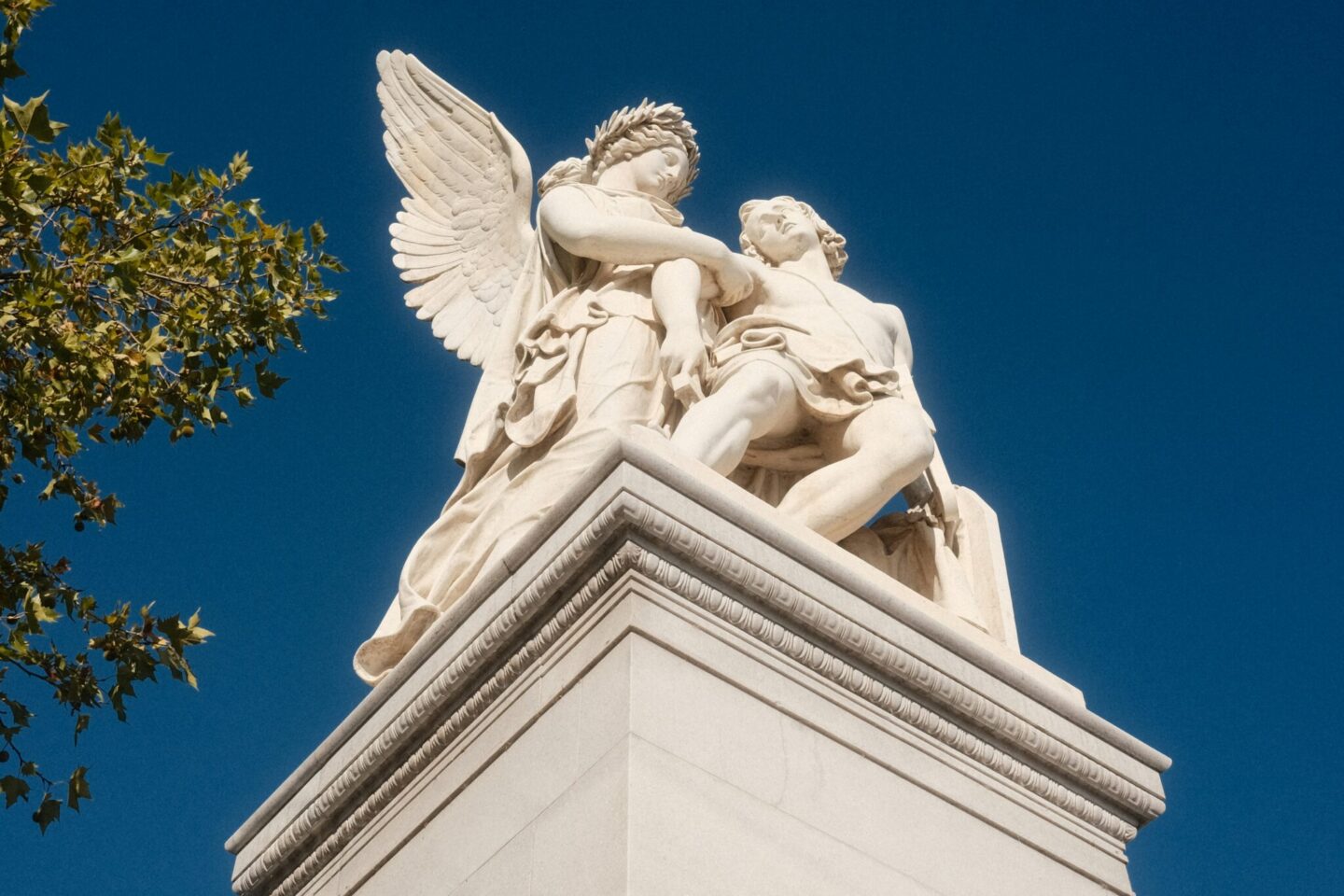
Moving north shifts the atmosphere entirely. Berlin feels open, bold, and endlessly expressive — a city that holds its past with honesty while embracing creativity with open arms. Modern architecture stands beside remnants of the Berlin Wall. Street art colours entire districts. Wide avenues such as Unter den Linden lead to monumental buildings, while neighbourhoods like Kreuzberg and Prenzlauer Berg pulse with independent shops, music venues, and cafés.
Berlin’s vastness gives it a unique rhythm. You can walk for hours and feel as though you’ve crossed different eras. Yet for all its scale, the city retains a sense of community — markets, parks, and shared spaces humming with people going about their day.
Travellers heading southeast often choose the trains from Berlin to Prague, a route that cuts through countryside, industrial stretches, and sleepy towns before reaching the Czech border. From the window, you see a quieter side of Central Europe — long fields, winding rivers, and forested hills.
Prague: The City of Bridges and Morning Light
Prague feels almost cinematic in its beauty. The Vltava River curves gracefully through the city, crossed by bridges that vary from medieval stone to modern minimalism. In early morning, the Charles Bridge glows amber beneath the rising sun, its statues casting long shadows toward the old town.
Red rooftops cluster together like tiles on a mosaic. Church spires pierce the skyline, earning Prague its nickname: “the city of a hundred towers”. The old town square, framed by the Astronomical Clock and Gothic church towers, buzzes with life — a mixture of laughter, camera shutters, and the occasional violinist testing the acoustics.
Yet Prague is not frozen in time. Its cafés beat with creative energy, its modern art installations surprise you around corners, and its parks offer wide, green spaces where locals gather at weekends.
Vienna: Imperial Elegance With a Contemporary Heart
South of Prague, Vienna glides between past and present with graceful ease. The city’s imperial identity is impossible to miss — grand palaces, vast museums, and ring roads lined with ornate buildings. But the Viennese lifestyle is relaxed, almost meditative.
Coffeehouses remain cultural institutions, and each has its own character: some formal with velvet seating, others cosy and wood-lined, all encouraging long, thoughtful afternoons. Walk along the Danube Canal and you’ll find street art, modern restaurants, and the steady hum of city life unfolding.
Vienna’s artistic heritage is equally rich, from classical music to cutting-edge exhibitions that challenge the boundaries of contemporary design.
Bratislava and the Danube’s Quiet Power
A short journey east brings you to Bratislava, where pastel buildings climb the hill toward a castle that overlooks the Danube. The old town is small but full of charm: narrow cobbled streets, lively squares, and cafés tucked into corners. Compared to its larger neighbours, Bratislava feels immediate and personal — a city where you can hear conversations drifting from open windows and watch locals gathering for evening drinks in small courtyards.
The Danube ties much of Central Europe together, flowing through cities that have grown, shifted, and intertwined over centuries. Standing along its banks, you sense the current not only of water, but of history.
A Region Connected by Stories and Stone
Central Europe’s grandeur isn’t confined to its monuments; it’s present in the atmosphere of its streets, the generosity of its squares, and the quiet dignity of its river valleys. The region is defined by its contrasts — Munich’s orderly elegance, Salzburg’s musical romance, Berlin’s bold openness, Prague’s fairy-tale charm — and by the threads that connect them.
Travelling here reminds you that history is not just something preserved in museums; it’s something that lives in architecture, in daily rituals, and in the way communities grow around their landscapes.
And as the trains glide between cities, you begin to see Central Europe as more than a collection of destinations. You see it as a continuous story — one written in stone, in river currents, and in the moving light across cathedral walls.

